
The dream of many is to buy a home and eventually to make it their own. Sometimes this means painting it colours that feel cosy, and decorating and furnishing the space with hand-picked favourites. For others, a house doesn’t feel like a home until they’ve elevated the space with more significant alterations according to their own specific tastes, moving beyond surface level adornments and into remodelling. A home renovation is rarely a cheap or stress free option these days, but it does enable you to truly transform a house into a home complete with the character and style that is unique to you.

With so many options and possibilities to fit all kinds of budgets it is easy to feel overwhelmed around finishes and materials. While there are plenty of cheap options on the market, low-cost finishes may not last, especially in high traffic areas such as kitchens and bathrooms, making them an unsustainable choice. Cheaper materials are also frequently manufactured with low quality components and sometimes include toxic substances.
VOCs (volatile organic compounds) are chemicals that off-gas from many adhesives and paints, and not just while they are curing but sometimes for months or years. VOCs have been linked to health issues such as headaches, dizziness and eye or throat irritation and can aggravate existing conditions such as asthma. SVOC (semi volatile organic compounds are less volatile than VOCs and as a result can linger for longer, existing in household dust and settling on surfaces and in soft furnishings, causing systemic, long-term exposure.
If quality and longevity of a renovation is important to you and you want finishes that will not only last several decades, but that are also toxic free and sustainable, then read on for some innovative solutions.
Engineered stone reimagined
Engineered Stone is often a more practical and affordable option for bench tops over the more traditional, high-end option of marble and stone, but in recent years many well-known products have been withdrawn and banned from the market due to silica related illnesses. Viscostone Eco Surfaces is a patented crystalline silica-free formulation that incorporates natural and recycled materials. It has the strength and clarity of traditional engineered stone and exhibits high hardness, scratch and water resistance. The stone is also manufactured using renewable energy, 100% wastewater and is made from carefully selected eco-friendly recycled raw materials. Viscostone is a material that is solid in its sustainability.
An eggcellent aggregate alternative
If recycling is your thing, you may like to take it to the next level with wall finishes made from recycled egg and oyster shell waste sourced from restaurants. The Circular Sea Collection by Mineral Fox is a range of natural wall renders and plasters which replace virgin aggregates with recycled shell waste, diverting tonnes of shell waste from landfill each month as well as supporting critical oyster reef regeneration. Oysters are vital to waterway health as natural filters and carbon sequesters. Being fully biodegradable the material can be safely recycled or returned to the earth at the end of its lifespan.

Cork has chalked up its status
Cork flooring had its day back in the 70s and 80s but has had a recent resurgence thanks to developments in texture, colour and installation. Gone are the days of glossy, toxic polyurethane coating and orange hues. Today cork has been reimagined to look like marble, timber and even cement thanks to innovations in product development. Not only is it stylish and an affordable flooring alternative, it also happens to be eco-friendly, sustainable and holds amazing insulating properties. Ideally look for a brand that also holds Greenguard Certification such as The Flooring Co or Portugal Cork Co. Look for Fire Certificates, Green Guard Gold Certificates and FSC certified cork. Cork is harvested from the bark of the cork tree, a renewable resource that regenerates naturally.
Meet Marmoleum
Lino floors were first developed in the 1860s as a durable floor surface incorporating oxidized linseed oil, cork dust, and resin. Perhaps it was even your grandma’s kitchen floor. While original lino was made from primarily natural materials over the years it has often been replaced by synthetic and plastic based alternatives which are cheaper to make, yet still may be referred to as lino. To avoid confusion with the plastic substitutes Linoleum, the good old original Lino has reclaimed its clean origins with a new name, Marmoleum a product made by Forbo. Marmoleum is able to be installed without the use of toxic adhesives and is made with up to 98% natural raw materials. A clever flooring solution with vintage vibes for modern times. Certificates by third party certifiers have also confirmed these products have low VOC emissions.
Milk paint
Many popular brands of paint now offer low VOC options. But to skip the VOCs entirely consider splashing some milk paint onto your walls and furniture. It is an entirely natural and chemical free alternative to commercial paint. Made from milk proteins combined with lime and natural pigments milk paint is an antibacterial, breathable, porous and alkaline paint which is naturally mould and mildew resistant. Similar to a lime wash, milk paint is perfect to refresh timber furniture and toys and even walls.
Solid hardwood flooring
Avoid the floating floorboards which often contain toxic adhesives and VOCs and stick with solid timber. Finish with natural oils instead of old school polyurethane and you’ll have a durable, non-toxic, and long-lasting choice. For a sustainable choice source only FSC (Forest Stewardship Council timbers.
 Carpets and rugs
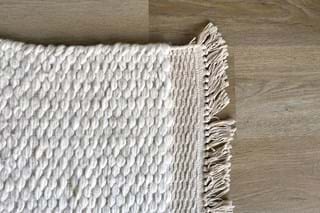
Skip the synthetic carpets and seek soft underfoot options that are made from natural fibres such as wool, jute, silk, and cotton. Check for GOTS certification to ensure safety.
Alternatives to traditional adhesives
Many adhesives are laced with toxic chemical substances such as formaldehyde, isocyanates and phthalates that it is worth sourcing materials that won’t compromise your family’s health. Mechanical fixing eliminates the need for adhesives all together. Physically securing components together using fasteners can eliminate the need for adhesives, glue, or chemical bonding agents entirely. This approach is frequently used to ensure structural integrity and is a longer lasting alternative as adhesives are vulnerable to UV, heat or moisture damage. Using fixing methods over adhesives also makes it easier to take apart, repair or reuse components down the track. Avoiding adhesives is also going to result in a smaller carbon footprint because chemical adhesives will impact whether materials can be safely recycled at the end of life.
How can consumers take charge?
Asking for your design and building professionals to provide transparency in the way of safety data sheets and asking them to source products with trusted certifications in turn puts pressure on manufacturers to step up and offer healthier, lower emission products due to demand.
Ask for mechanical fixings where possible, and where adhesives are essential then ask for low VOC and low SVOC options with reliable third-party certifications to demonstrate safety. Seek out innovative materials that are made from renewable materials with a commitment to low VOC. The more consumers ask for these, the more demand from industry, in turn improving the supply and demand and therefore cost over time for materials that are safer for humans and the environment.
Certifications to look for:
- GREENGUARD Gold: UL GREENGUARD Certification identifies products with low chemical emissions, It tests furniture, flooring, andmaterials for over 360 volatile organic compounds (VOCs). GREENGUARD Gold is the top-of-the-line standard for sensitive environments like schools and healthcare, ensuring safer, healthier indoor air.
- FSC (Forest Stewardship Council): FSC ensures wood and wood products are sustainably sourced.
- GOTS (Global Organic Textile Standard): GOTS Ensures textiles are organic and processed safely.
Resources:
- Declare Label: Kind of like a nutrition label for products, this colour coded system flags any chemicals of concern, providing transparency on ingredients, helping avoid toxic chemicals.
- The Building Challenge Red List: This evolving resource flags the ‘worse in class’ substances widely used in the building industry that pose serious risks to human health and the environment. The list helps design and building professionals achieve highly sustainable, healthy building certifications.
- The WELL Building Standard: WELL focuses on the human experience, with its Materials Concept, specifically V2 dedicated to helping to minimise human exposure to hazardous building materials. The WELL standard helps developers and organisations to achieve more thoughtful and intentional spaces that enhance human health and well-being.
- The Green Star: Green Star (by the Green Building Council of Australia drives chemical safety through its "Responsible Products" framework, which is a key part of its "Buildings" rating tool.
Alongside industry standards that are raising the bar, a whole new world of sustainable building materials now exists that will not only elevate your home but also make it safer for your family. Ideally you want to be sourcing materials that are non-toxic, resilient, recyclable, made from renewable materials and designed to last. Ultimately, a home renovation can be a long-term investment if you choose your finishes, materials and professionals with care.

Alison Gallagher is a freelance writer, resourcefulness expert and entrepreneur. She has been featured in various publications including Stellar Magazine, Australian Health and Fitness Magazine, and Cleo Magazine. Alison is particularly passionate about sharing practical tips on how to live simply, sustainably and seasonally.