

It’s something no one wants to think about, but is a reality many of us will face at some point in our careers. What happens when our income gets taken away?
 In our twenty years together I’ve seen my husband through three redundancies. Once while I was in the early stages of labour, about to welcome our first baby. I had just paused paid employment in order to become a mum and my husband was the only income earner in our home. We got through it and we managed to get through it each time afterwards. Those periods in our life were not exactly highlights but we certainly learnt plenty about resilience, perseverance and to trust that things would work out for the better. They did, each time. I’ve had my own fair share of career shifts over that time too. Change can be hard, and it can be harder when our finances take a hit as well.
Losing a source of income can rattle us and bring up questions of ‘what did I do wrong’ or ‘how could I have done it better’. Regardless of whether you are the best at what you do or not, everyone, even the self-employed can be faced with a sudden loss of income without warning.
Here are some strategies to put into place now so you have something to fall back on if your job security changes.
Have an emergency fund
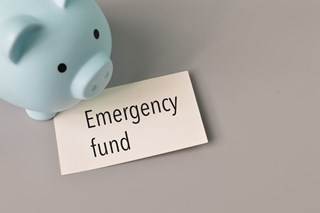
Always have an account you do not touch unless you are in dire straits. Keep at least $5,000 in it if possible or work toward that balance if you’re only starting out. Ideally $10,000 in a high interest account is a nice amount to fall back on if you are facing several months of no income or unexpected expenses. An emergency fund might help to take the sting out of sudden income loss.
Don’t burn your bridges
Whether you’ve been fired, been made redundant or had a contract end, if it’s possible, ask for a written reference before you leave. In addition to a physical reference, ask your employer if they would mind being an ‘on call’ referee as you seek out alternative employment and let them know if they should expect a call once you are in the process of attending interviews. Stay in touch with colleagues and contacts you enjoyed working with. Just because you’re leaving doesn’t mean you have to say goodbye to friends for good. If it is possible, negotiate a package so you can leave with some financial backing as you get back on your feet.

Don’t be afraid to ask for support
Pride often gets in the way of seeking support when we need it, but something significant like job loss or financial stress often hits harder than we expect. It can affect our confidence levels, cause anxiety about the future as well as present us with very real financial difficulties. It’s important to let loved ones know what you’re going through so they can support you emotionally and check in to see that you’re ok. If you are struggling emotionally or financially there are also professional support services available to help you through tough times. Hot lines such as Beyond Blue or Lifeline can support you over the phone. Financial Counsellors can assist you to put together a strategy and budget to get through financial hardship and a qualified therapist can give you face to face support where needed.
Surrender to the unknown
I’ve always believed things happen for us, not to us. While we rarely have control over external influence and change, we do have the capacity to decide how to respond to what happens to us. And if we choose to be open-minded, reflective and optimistic about what the future might hold, we will more likely be able to navigate the challenges along the way.
A job loss or sudden change in work commitments can be a shock and bring disappointment and fear; however it also might open up the opportunity for something new and more aligned. Perhaps it’s time to carve out a career you love. Rather than falling into a deep dark hole of depression, look at the space that has become available and ask yourself how you can best use this new free time.
Detach from the story
More often than not, losing an income stream is less about you and more about what is going on in the bigger picture. It is likely a business decision first, and the decision to let you go might not be personal at all. It could be more about keeping costs down, not because you didn’t do a good job. Don’t assume it’s all your fault.
Reflect and redirect
Any time we leave something significant, whether it is a job or a relationship, it is important to reflect on the situation and see where we might have done things differently. Not in order to go backwards but to move forward with clarity and confidence. We aren’t meant to live stagnant-stay-the-same lives. Life is meant to ebb and flow, shift and change so we may experience the highs, the lows and all of the in between. We cannot experience something new if we are always clinging to the old.
If you do have the opportunity to ask for feedback before you end a working relationship, take the opportunity to enquire if there was anything you could have done for things to have ended differently. If there are areas to improve on, take them on board as best you can so you can learn and move forward.
 Refresh your resume´
If it has been a while since you last looked for work, it is likely you will need to update your CV. There are plenty of templates available online if you need a little guidance. Formatting has changed over the years, so if it has been a couple of years or more you should check your CV reflects current standards. Add any experience that may be missing (including the role you are concluding), along with any new skills, qualifications, or certificates gained during your time in the position. Don’t downplay your talents and strengths, let them shine through.
Include two to three professional references, ideally a manager or supervisor from your most recent role, or a colleague with whom you had a strong working relationship and who is happy to act as your referee.
Step forward with gratitude and grace
When a chapter ends you may feel a range of emotions, from shame, disappointment, resentment and grief. But can you also look back on what you really enjoyed about that work? What did you love about it? Who did you meet and enjoy connecting with? What did you learn and what new skills do you now have under your belt as a result? Looking at the good as well as allowing space for the other stuff can help to propel you up and out of a potential dip in depression and move you toward embracing exciting possibilities with grace.

Alison Gallagher is a freelance writer, resourcefulness expert and entrepreneur. She has been featured in various publications including Stellar Magazine, Australian Health and Fitness Magazine, and Cleo Magazine. Alison is particularly passionate about sharing practical tips on how to live simply, sustainably and seasonally.