
You may have been pulled into the trap yourself. You’re scrolling on Instagram or Facebook and a post pops up that catches your interest. It might ask a question or make a statement that resonates, so you pause and read on. It’s no surprise that social media algorithms are so finely tuned these days that it can feel like it really knows what we are thinking. It seems to know our deepest desires and most fascinating fears, as well as our likes and dislikes even as fine tuned as our political preferences and favourite foods. So there can be a level of trust when something pops up in our feed, it’s like a little nudge from a friend beckoning us to come hither and explore whatever it has to share.
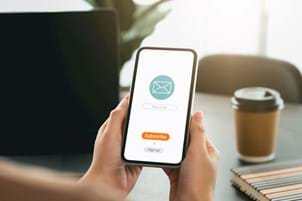 I consider myself a rather savvy, frugal and sensible woman (most of the time). But I have fallen for the luring and luminous promises of an app purchase or test results via Instagram twice now. Both times I engaged with a quiz and both times I got something out of the quiz which either validated something for me or made me curious enough to venture further. I felt the familiar pull just yesterday, noticing a pattern emerge and despite my curiosity I had to stop and withdraw from the process as I was NOT going to fall for it a third time.
I’ve realised the first step of these marketing funnels is to get you emotionally invested. Doing an online quiz used to be a fun way to engage with a brand in order to build trust. Now they pull you in, betray your trust by keep you answering questions for some time (I did an IQ test which took 20 minutes!) and then at the end, in order to get the results of the test we are given the opportunity to PURCHASE the conclusion, even though it is right there, behind the firewall, already calculated based on our very detailed answers drawn out over a period of time.
Having to pay for something we’ve already spent time on is frustrating. We already feel guilty as we probably did the quiz when we should have been doing something else, we’ve already wasted time, and we really truly have wasted our time if we don’t actually finish the process and pay the money to get the results. So we pay the lowest amount. I’ve noticed these arrangements often have a cheaper ‘intro offer’ of say $7 or so to access the basic offer. So you pay it quickly to get it over and done with and finally get to read over your personality profile or IQ test result. But then a week or so later you get a bill for quite a bit more than the original amount you agreed to pay. Because somewhere in the quiet recesses of the terms and conditions (not even visible at the sign up form and certainly not disclosed in the initial receipt of your payment), you’ve unwittingly agreed to a monthly subscription to a platform you didn’t even know existed and now you have $50 less in your bank account and scheduled to lose another $50 next month.
I should know. It’s happened to me twice.
Is it actually a scam?

The definition of ‘scam’ is “a dishonest scheme to gain money or possessions from someone fraudulently", so no fraud has necessarily been executed, as the product you purchase is received legitimately. However (in my case) the initial transaction is misleading as it is NOT a one-off transaction, it converts to a reoccurring payment via a subscription (for a significantly higher amount than the initial payment). In my case the subscription was for access to a valid service (an app or platform) but in both of my cases I didn't want (or intentionally purchase) access to these. Usually these business are offshore with no fixed addresses and therefore hard to flag with any authorities.
How to know if you’ve been caught out
As soon as I received the PayPal notification in my email for $50USD I knew nothing about, I logged into my PayPal and checked the transaction and sure enough it was from the same organisation that had charged me $7 the week before. I then Googled the business name along with the word ‘scam’ to discover there were entire online forums dedicated to how ‘scammy’ these purchases were and discussions on how to request a refund and cancel your subscription.
Both times (I know, you’d think I would have learnt the first time) I immediately contacted the business and demanded a refund and both times I immediately jumped onto my PayPal and cancelled the subscription. But it wasn’t easy to get the refunds in either case. I had to write multiple requests and show evidence of how misleading the initial transaction was and that I’d never agreed to a subscription. In both cases the customer service team had a prepared response (as they likely had many requests for refunds each day) and didn’t back down straight away. Eventually however, thanks to my stubborn persistence I was granted refunds. But in one case it took about 6 emails back and forth over several weeks.
What makes these businesses predatory?
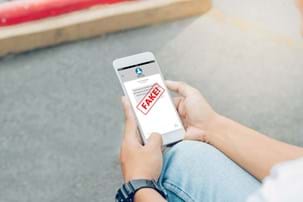 These transactions are predatory partly because the quizzes seem to access our desire to be understood, our ambitions to be a better version of ourselves. And so perhaps we let our guard down. At no point at the beginning of these quizzes, do they disclose that you need to pay a fee to access the results. To be fully transparent and ethical, the business should make this clear from the beginning. So we get the answer for a small fee. This in itself is taking advantage of a vulnerability.
The real predatory behaviour however, is the billing practice, the unauthorised monthly subscription fee that silently seeps from our bank account perhaps for months if you’re not one to check regularly. Thankfully for me I was on to it immediately as I check my bank balance each week and check emails daily. Some people aren’t nearly as assertive and may not be confident demanding a refund. In the most recent case, I had to write 6 emails back and forth before they finally offered a full refund.
I believe I’ve encountered the more harmless online quiz based predatory businesses out there. There are some that essentially harvest your personal information or require you to download and unintentionally install malware.
I suppose the real IQ test is not falling for it in the first place….
What to do next?
- Contact your bank
If you’ve requested a refund and it’s not forthcoming, get in touch with your bank. Let them know you’ve been a victim of predatory billing practices and you were mislead into a subscription rather than the small one-off payment you were initially billed for. You may need to cancel your credit card to avoid ongoing charges and have a new one sent out. Just remember you will need to update all automatic payments linked to your credit card to avoid payments being missed.
 Cancel your subscription in PayPal
If you are unsure how to cancel a subscription via PayPal you can read over the steps here.
- Request a refund from PayPal if this was your payment method
PayPal have a dedicated dispute resolution process for you to request a refund. You need to fill out a form explaining why you want a refund and provide evidence by uploading screen shots or other documents. PayPal may offer a refund before the merchant does. If both end up refunding you, PayPal will reverse their refund.
- Don't fall for it again
Become familiar with the pattern, if you feel lured in, if you find yourself spending time sharing personal details in order to get a result, it’s likely you’ll not only have to pay for the outcome, but it may be more than you bargained for.
- Research first and find another way to get results
If you genuinely want to do an IQ or personality test or want to learn a new skill but don’t want to get trapped in a sticky web, jump online and do some research before committing to anything. Find a business run by professionals in their field. Find a product you can purchase as one off and check online reviews first to assess existing customer satisfaction.

Alison Gallagher is a freelance writer, resourcefulness expert and entrepreneur. She has been featured in various publications including Stellar Magazine, Australian Health and Fitness Magazine, and Cleo Magazine. Alison is particularly passionate about sharing practical tips on how to live simply, sustainably and seasonally.