

School holidays are best spent when families can enjoy quality time together. Sometimes this means vegging out on the couch and watching movies in your PJs. Other times it means heading off for a day trip or a few nights away to explore and form some delightful core memories.
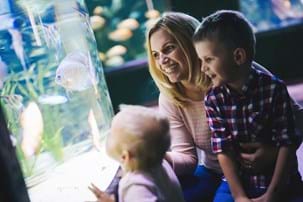
A popular activity to undertake during school holidays, certainly while the kids are still young, is to visit an animal sanctuary, zoo or aquarium. Not only can these be a fun filled day out, they are also educational with keeper talks, entertaining shows, up-close animal interactions and information on flyers and posters for visitors to learn more about the inhabitants. Something about watching animals and their unique expressions, quirky habits and cute faces is appealing to all ages and is guaranteed to be a highlight of the holiday period.
 It’s important to appreciate however, not all animal interaction experiences are equal. When looking for an aquarium or wildlife park to visit during your holidays, first check to confirm they are a member of the Zoo and Aquarium Association. To be accredited with the ZAA ensures the animal park is held to the highest standards of animal welfare. The ZAA is a peak body representing the collective voice of the zoos, aquariums, sanctuaries and wildlife parks across Australia, Aotearoa New Zealand and Papua New Guinea that achieve excellence in animal care.
Highlighting their “progressive, science-based” approach to animal welfare, ZAA uses the Five Domains Model, an approach which prioritises welfare from the animals’ perspective.
Animal welfare is not the sole focus of the ZAA however, with over 100 breeding programs underway by members in support of conservation and community education. Breeding programs are integral to threatened species conservation and recovery. According to the ZAA website, their members attract on average 22 million domestic and international visitors per year, connecting them with nature, educating over a million students about wildlife and contributing funds, expertise and efforts to conservation programs. They also raised over $20million in funding for conservation programs.
Before you book your next day out with the kids ensure your chosen zoo or aquarium are on this this list.
Here are a couple of examples of some of the more well-known animal attractions. Not only are these organisations ZAA members, they are also leading the way in animal welfare and conservation efforts.
 Taronga Zoo: operates as a not-for-profit conservation organisation (Taronga Conservation Society Australia) and directs revenue from ticket sales towards supporting its wildlife conservation, animal care, science, research and education work. It has also recently acquired thousands of acres of land in northern NSW to restore endangered woodland habitat to create new refuges for threatened species such as koalas.
Symbio Wildlife Park: contributes to conservation via its Symbio Conservation Foundation which grows and cultivates koala habitat and eucalyptus feed tree plantation programs with local councils and organisations to support koalas and native wildlife, building more resilient ecosystems and providing sustainable food sources for animals in care.
SEA LIFE Sydney Aquarium: prioritises conservation and the protection of marine life through its global SEA LIFE Trust which focuses on marine conservation, rescue and rehabilitation along with habitat protection and breeding programs for threatened species. Education about ocean health and the impact of plastic pollution are woven through the exhibits and shows.
Beyond these examples, Zoo and Aquarium Association members are found across Australia, each with a distinct mission and legacy, contributing in their own unique ways towards conservation, education and species protection. While those ticket prices may pinch at the box office, you’re not just paying for a fun day out for the kids, you’re also helping to fund species survival and wildlife welfare. A worthy cause indeed.

Alison Gallagher is a freelance writer, resourcefulness expert and owner of aromatherapy business Alyssum Alchemy. She has been featured in various publications including Stellar Magazine, Australian Health and Fitness Magazine, and Cleo Magazine. Alison is particularly passionate about sharing practical tips on how to live simply, sustainably and seasonally.